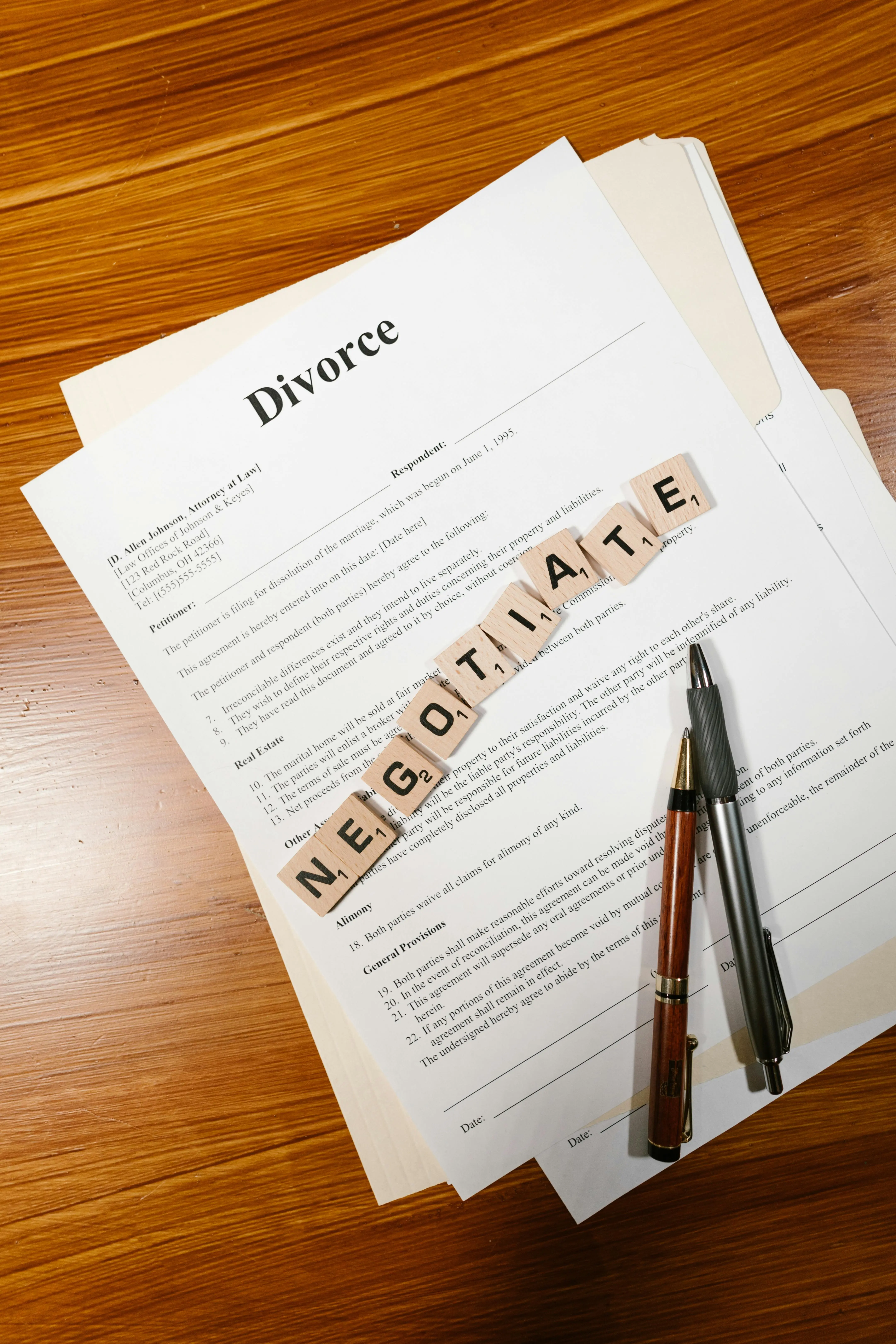
When Contracts Break Down
Even the most carefully written contracts can lead to disagreements—over payment terms, project scope, performance timelines, or unexpected market changes. When this happens, businesses must choose how to resolve the dispute: through mediation or litigation.
Both paths can achieve resolution, but they differ drastically in cost, time, privacy, and outcomes. Understanding each method helps companies make smarter, faster, and more strategic decisions. schedule consultation to have a commercial lawyer evaluate which approach fits your situation.
What Is Mediation?
Mediation is a voluntary, confidential process where a neutral third party—the mediator—helps the disputing parties reach a mutually acceptable agreement. It is non-binding unless both sides sign a settlement.
Advantages of mediation include:
- Cost-effective: Mediation usually costs a fraction of litigation.
- Faster results: Most cases resolve within weeks rather than months or years.
- Confidential: Discussions and outcomes remain private, protecting reputations and trade secrets.
- Preserves relationships: Especially useful when business partners intend to continue working together.
Mediation is ideal when both sides are open to compromise and want to avoid the expense and stress of court. chat on whatsapp if you’d like to explore mediation options before taking legal action.
What Is Litigation?
Litigation is the process of resolving disputes through the court system. A judge—or in some cases, a jury—reviews the evidence, applies the law, and issues a binding decision. While it provides finality and enforceability, it also comes with significant costs and procedural complexity.
Advantages of litigation include:
- Enforceable outcomes: Court judgments can be enforced if the losing party fails to comply.
- Clear legal precedent: Court decisions set public records and may guide future contracts or negotiations.
- Power balance correction: Useful when one party refuses to negotiate or hides assets.
Drawbacks: Litigation is slow, public, and often expensive. Complex commercial cases can last years and rack up substantial attorney fees. schedule consultation if your case requires strong courtroom representation.
Mediation vs Litigation: Key Differences
| Aspect | Mediation | Litigation |
|---|---|---|
| Cost | Generally low | High legal and court fees |
| Timeframe | Weeks to months | Months to years |
| Confidentiality | Private | Public record |
| Decision-maker | Parties themselves | Judge or jury |
| Binding outcome | Only if agreed by both parties | Legally binding judgment |
| Relationship impact | Often preserved | Often strained or ended |
Most businesses prefer mediation first and resort to litigation only when necessary. Some contracts even require mediation before a lawsuit can be filed. contact us to review whether your contracts include proper dispute resolution clauses.
Why Include Dispute Resolution Clauses in Contracts
Every commercial agreement should specify how future conflicts will be resolved. A well-drafted clause can save both parties substantial time and money. Clauses may include:
- Mediation-first provisions requiring good-faith negotiations before litigation.
- Arbitration clauses for binding private decisions outside court.
- Jurisdiction clauses clarifying where disputes will be handled.
Without these clauses, parties risk battling over not just the dispute—but where and how it should be resolved. schedule consultation for a contract review to ensure your agreements include enforceable dispute resolution terms.
How Lawyers Guide the Process
A skilled business lawyer can assess the nature of the dispute, the contract language, and your strategic priorities to recommend the best approach. At times, mediation can prevent a public lawsuit. In other cases, litigation becomes necessary to enforce rights or recover damages.
Lawyers assist by:
- Evaluating contract terms and evidence
- Negotiating settlements during mediation
- Filing and managing court proceedings when needed
- Ensuring enforcement of judgments or settlement terms
Usta Legal represents companies and entrepreneurs in New York, New Jersey, and Pennsylvania in both mediation and litigation. schedule consultation or call now for strategic legal guidance before disputes escalate.
Find the Right Approach for Your Case
Whether you’re facing a vendor dispute, partnership conflict, or contract breach, the path you choose determines your outcome. Early legal advice often prevents long and costly battles.
schedule consultation for a consultation on your case strategy or chat on whatsapp if you prefer a quick discussion on your options.
Frequently Asked Questions
Is mediation legally binding?
No. Mediation is only binding if both parties sign a written settlement agreement after negotiation.
How long does mediation usually take?
Most mediations conclude in one or two sessions lasting several hours. More complex disputes may take multiple sessions over a few weeks.
Can I go to court if mediation fails?
Yes. If mediation doesn’t resolve the issue, parties can proceed to litigation or arbitration depending on their contract terms.
What’s the difference between arbitration and mediation?
Mediation is collaborative and non-binding, while arbitration involves a neutral arbitrator issuing a binding decision. Arbitration is often faster than litigation but less flexible than mediation.
Do I need a lawyer for mediation?
While not required, having a lawyer ensures you understand your rights and negotiation boundaries. Lawyers often attend mediation sessions to protect client interests and draft enforceable settlement terms.