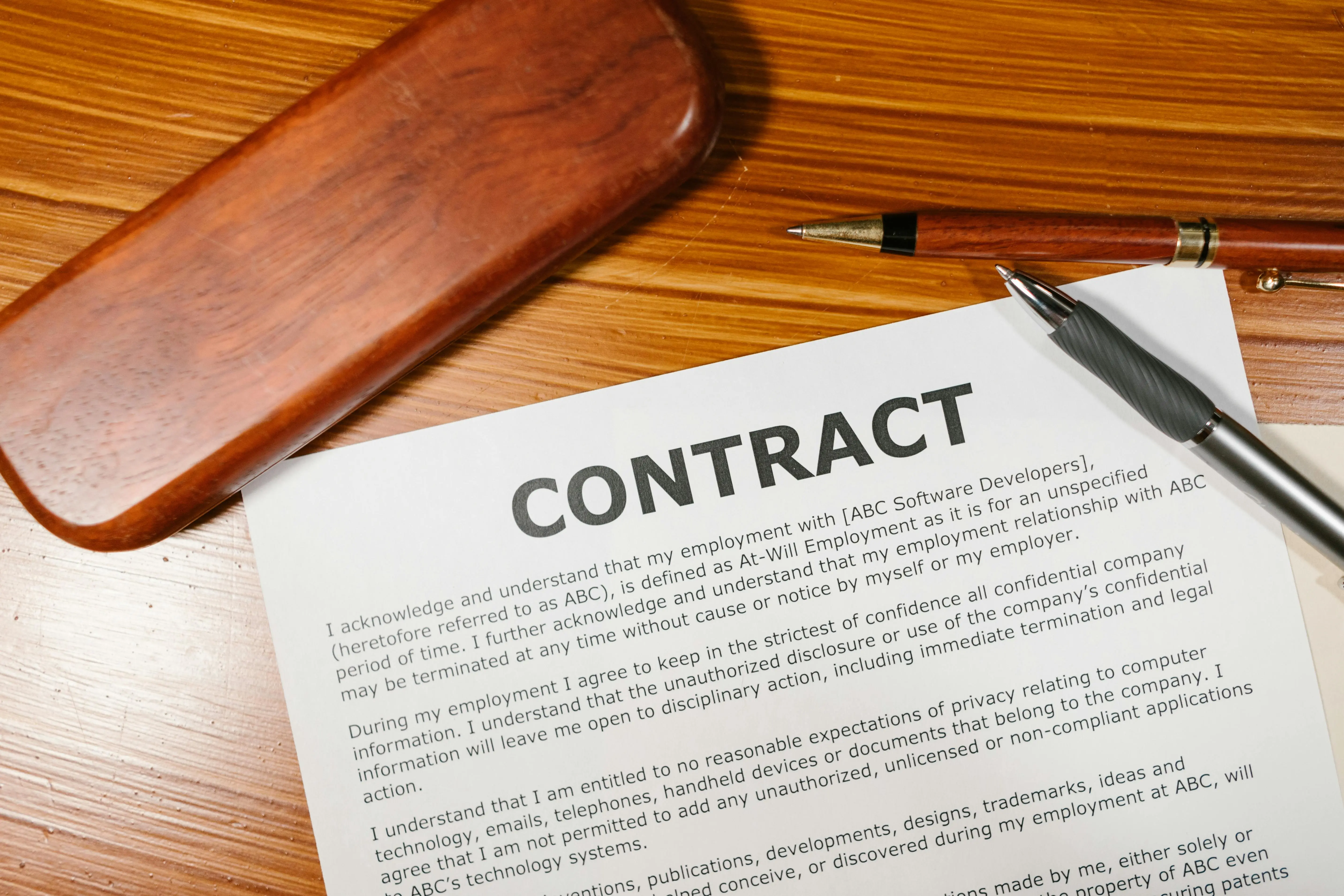
Why Employment Law Matters
Employment law sets the foundation for fair and lawful workplaces. It defines the rights and responsibilities of both employers and employees, governing everything from hiring to termination. Ignoring these laws can lead to penalties, lawsuits, and reputational harm.
Business owners who understand employment law can create safer, compliant, and more productive organizations. schedule consultation to ensure your HR policies meet current U.S. labor standards.
Employee vs Independent Contractor
Misclassifying workers is one of the most common and costly mistakes businesses make. Federal and state agencies use different tests to determine whether a worker is an employee or an independent contractor. The IRS focuses on the level of control and financial relationship, while states like California apply the ABC Test under laws such as AB5.
Key indicators of employee status include:
- Employer controls how, when, and where work is done
- Worker is integrated into the business’s core operations
- Employer provides tools, training, or regular supervision
Misclassification can trigger back taxes, penalties, and unpaid benefits. chat on whatsapp if you’re unsure how to classify your team properly.
Wage and Hour Requirements
The Fair Labor Standards Act (FLSA) sets federal standards for minimum wage, overtime pay, and recordkeeping. Non-exempt employees must receive overtime (1.5x pay) for hours exceeding 40 per week. Employers must also comply with state wage laws, which may set higher minimums or different overtime thresholds.
To stay compliant:
- Track hours worked and breaks accurately
- Pay overtime when applicable
- Keep payroll records for at least three years
- Display required labor law posters in the workplace
schedule consultation for a compliance audit of your company’s wage and hour practices.
Anti-Discrimination and Harassment Laws
Federal laws such as Title VII of the Civil Rights Act, the Age Discrimination in Employment Act (ADEA), and the Americans with Disabilities Act (ADA) prohibit employment discrimination based on race, gender, religion, age, disability, or national origin. Employers must also comply with state and local laws offering broader protections, including for sexual orientation and gender identity.
Best practices include:
- Implementing a written anti-harassment policy
- Providing annual discrimination prevention training
- Investigating complaints promptly and confidentially
- Protecting employees from retaliation
contact us to ensure your anti-discrimination policies meet both federal and state standards.
Employee Leave and Benefits
Employee leave rights vary by federal and state law. The Family and Medical Leave Act (FMLA) provides eligible employees up to 12 weeks of unpaid, job-protected leave for family or medical reasons. Some states, such as New York and California, mandate paid family or sick leave.
Employers should clearly communicate leave policies and eligibility criteria. Benefit programs, such as health insurance and retirement plans, must comply with the Employee Retirement Income Security Act (ERISA).
schedule consultation to review your employee handbook and ensure your leave policies comply with current legal requirements.
Building a Compliance Program
Proactive compliance prevents disputes and improves employee relations. Establishing a clear HR framework can reduce turnover and avoid costly litigation.
Steps to build compliance:
- Update employee handbooks annually
- Conduct regular HR and payroll audits
- Train supervisors on workplace policies
- Keep detailed documentation of employment actions
call now to set up a compliance training program for your management team.
When to Consult an Employment Lawyer
Employment laws evolve constantly, and compliance requirements vary across states. Consulting an employment lawyer can help your company:
- Respond to employee complaints or investigations
- Draft employment contracts and handbooks
- Navigate terminations and severance agreements
- Defend against discrimination or wage claims
Usta Legal advises employers in New York, New Jersey, and Pennsylvania on compliance, HR policies, and employment disputes. schedule consultation or chat on whatsapp for tailored guidance before small issues escalate.
Protect Your Business and Employees
Understanding employment law is essential to protecting your workforce and your business reputation. The right legal strategy keeps you compliant and competitive.
schedule consultation for an HR compliance review or contact us for help drafting compliant workplace policies.
Frequently Asked Questions
What is the difference between exempt and non-exempt employees?
Exempt employees are not eligible for overtime pay, typically because they earn a salary and perform managerial or professional duties. Non-exempt employees are entitled to overtime for hours worked beyond 40 per week.
Can I classify a worker as an independent contractor to avoid benefits?
No. Classification depends on the nature of the work relationship, not the employer’s preference. Misclassification can result in penalties and back pay.
Do I have to offer paid sick leave?
Some states and cities require paid sick leave, even if federal law does not. Always check your local regulations.
What should I include in an employee handbook?
Include policies on attendance, compensation, benefits, anti-discrimination, leave, and complaint procedures. Keep the language clear and legally reviewed.
How often should I update my HR policies?
At least once a year, or whenever new laws or workplace practices are introduced. Regular reviews ensure compliance and consistency.